Hydraulic Hose Repair: What Longview, WA, Operators Need to Know
Hydraulic hoses play a critical role in keeping heavy industrial components running safely, and understanding when a hose needs attention can help Longview, WA, operators avoid costly downtime. In hydraulic systems used across logging, construction, and manufacturing, the hose acts as the main pathway for pressurized fluid. When a hose fails, pressure drops and the entire system can stop working. Knowing what to look for and how custom-manufactured hydraulic hose assemblies can address the problem is essential for any operation that depends on heavy machinery.

Why Hydraulic Hoses Fail in Heavy-Duty Applications
Hydraulic hoses fail for a variety of reasons, and catching the warning signs early can prevent larger problems. Hoses used in demanding environments are constantly exposed to high pressure, heat, vibration, and abrasion. Over time, these stresses cause the inner tube, reinforcement layers, or outer cover to degrade.
Common causes of hose failure include:
- Abrasion from contact with other components or surfaces.
- Heat damage from operating near exhaust systems or high-temperature environments.
- Pressure spikes that exceed the hose's rated capacity.
- Improper routing that causes the hose to kink or bend too sharply.
- Age-related degradation of the inner liner.
When a hose begins to fail, visible signs may include surface cracking, soft spots, bulging, fluid leaks near the fittings, or a visible weeping of hydraulic fluid along the hose body. Any of these signs should be treated as a prompt to have the assembly evaluated and replaced.
What Does Hydraulic Hose Repair Actually Involve?
Hydraulic hose repair typically means manufacturing a new hose assembly to replace the failed one. A new assembly is built to match the exact specifications of the original, including hose diameter, length, pressure rating, end fittings, and routing requirements. Getting the specs right is important because using the wrong hose rating or an incorrect fitting type can cause the replacement to fail prematurely. Hydraulic hose repair serving Longview, WA, operators often involves evaluating the original hose to ensure the replacement matches the exact demands of the application.
The process generally involves:
- Measuring the original hose for length and inside diameter.
- Identifying the end fitting type, size, and orientation.
- Selecting a hose rated for the correct working pressure.
- Crimping the fittings to the new hose using precision tooling.
- Pressure-testing the finished assembly before installation.
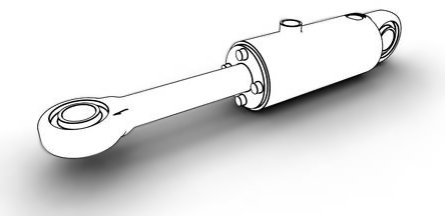
Hydraulic Equipment Repair that focuses on components such as cylinders, pumps, motors, and valves often requires that hose assemblies meet tight tolerances. A properly built hose assembly supports the performance of those components and helps maintain system integrity.
How to Extend the Life of a Hydraulic Hose Assembly
Proper maintenance can help hose assemblies last as long as possible. Inspect hoses regularly for signs of wear, especially at the fitting ends where stress concentrates. Make sure hoses are correctly routed and protected from sharp edges or heat sources. Replacing hoses proactively before they fail completely is far less disruptive than an emergency shutdown during an active job.
Getting the Right Hose Assembly for Your Operation
Kelso-based Hydraulic Service Inc. proudly serves Longview, WA, and the surrounding areas, providing precision-built hydraulic hose assemblies for logging, construction, and industrial applications. Whether you need a standard replacement or a custom-length assembly with specialized fittings, visit the hydraulic parts page to learn more about available hose and fitting inventory. To discuss your specific needs or get started with an in-person estimate, reach out through the website or call (360) 425-3240. You can also find and review the business directly on Hydraulic Service Inc.